Character Motivation
Give Characters a Reason to Act
Connect goals, fears, relationships, and choices. Ask for alternatives that reveal character instead of adding events without a purpose.
Try Now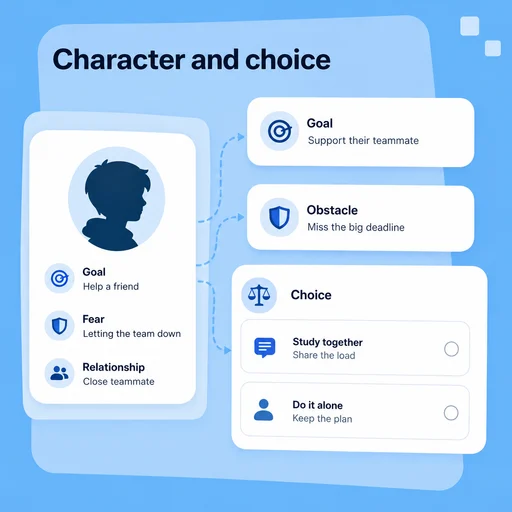
Start with a character, a place, or a question. Explore a plot, write the next scene, and revise the details that make your fictional world feel connected.
Choose an example or describe your task, then continue in MiniMax Code.
Sample prompts
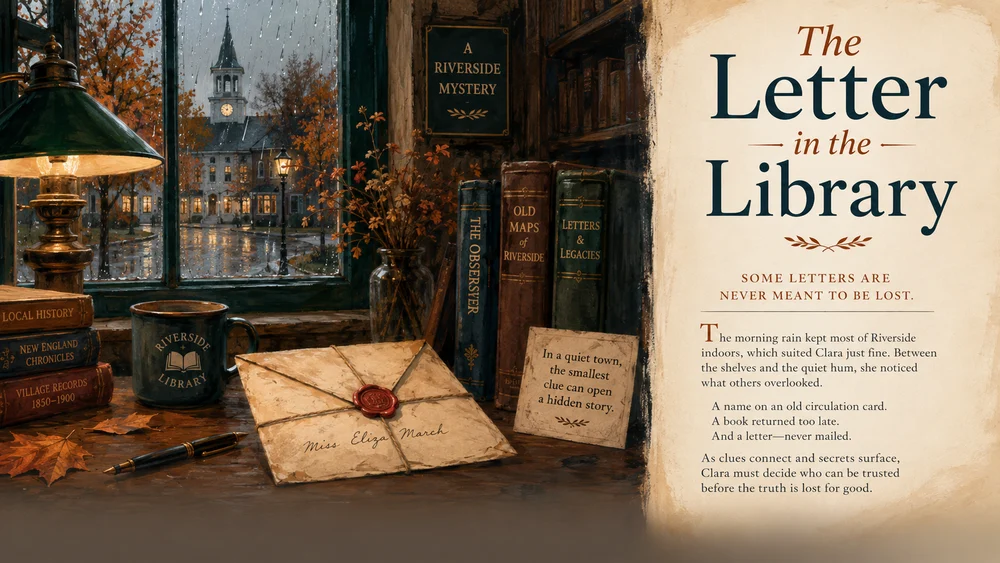
Illustrative story concepts pair distinct visual moods with writing prompts. They are fictional examples, not published books or customer work.
Focus the brief, develop the work, and review the details that matter for this task.
Character Motivation
Connect goals, fears, relationships, and choices. Ask for alternatives that reveal character instead of adding events without a purpose.
Try NowPlot Continuity
Map the turning points, track clues or rules, and check whether each scene follows from what came before.
Try Now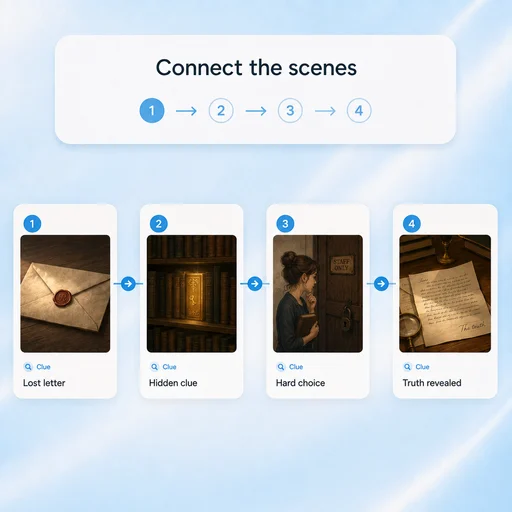
Voice & Revision
Try different pacing, dialogue, or viewpoints while preserving the facts of your fictional world and the tone you chose.
Try Now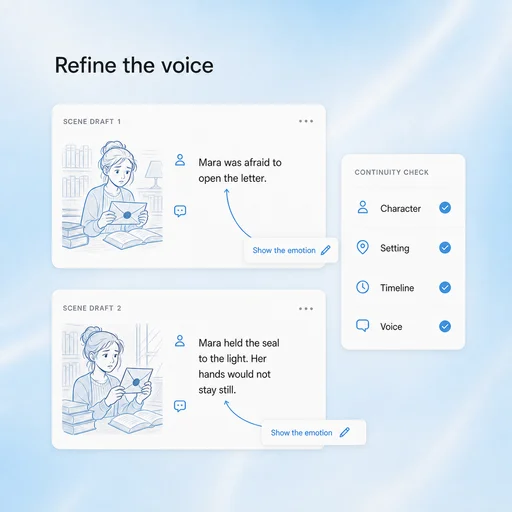
A comparison of working approaches, not a measured performance claim. Review the output before using it.
Start with the right inputs and keep a human review before the final handoff.
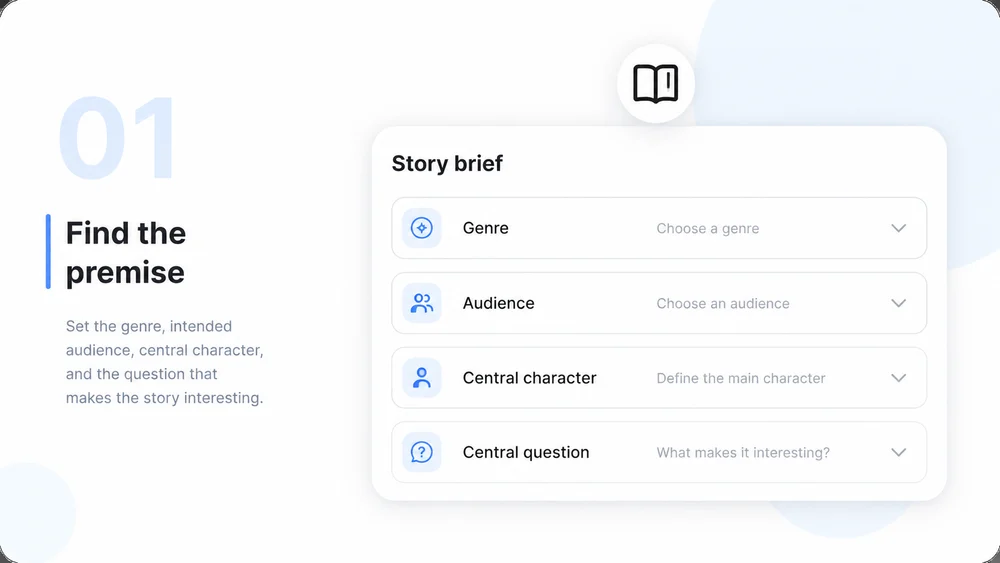
Set the genre, intended audience, central character, and the question that makes the story interesting.
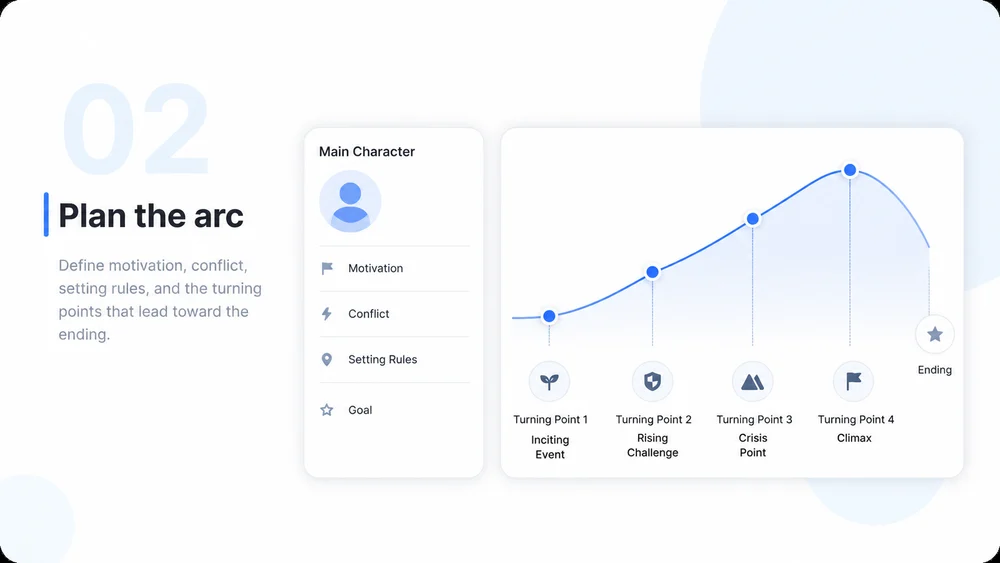
Define motivation, conflict, setting rules, and the turning points that lead toward the ending.
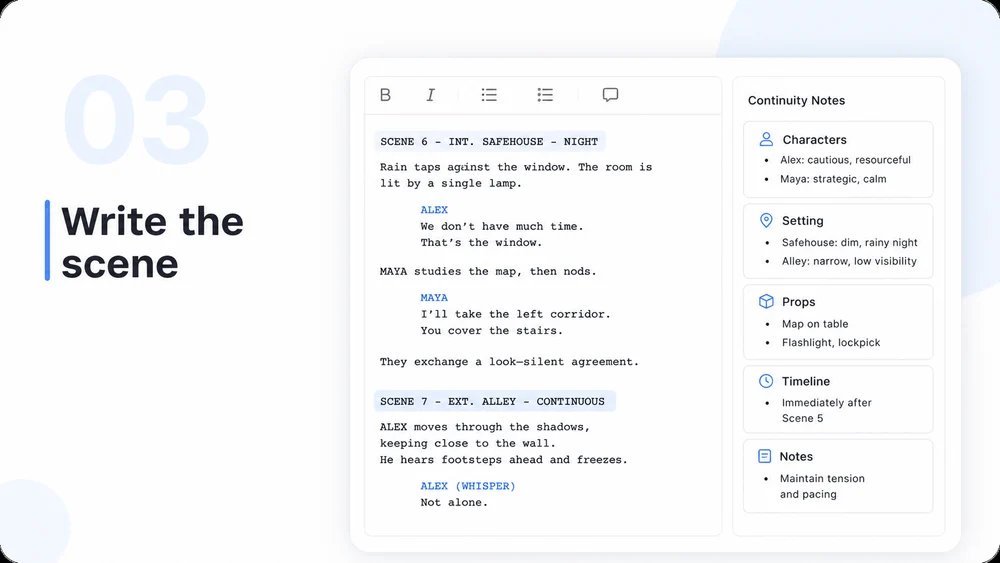
Develop the draft with specific actions and dialogue, using your outline and continuity notes as context.
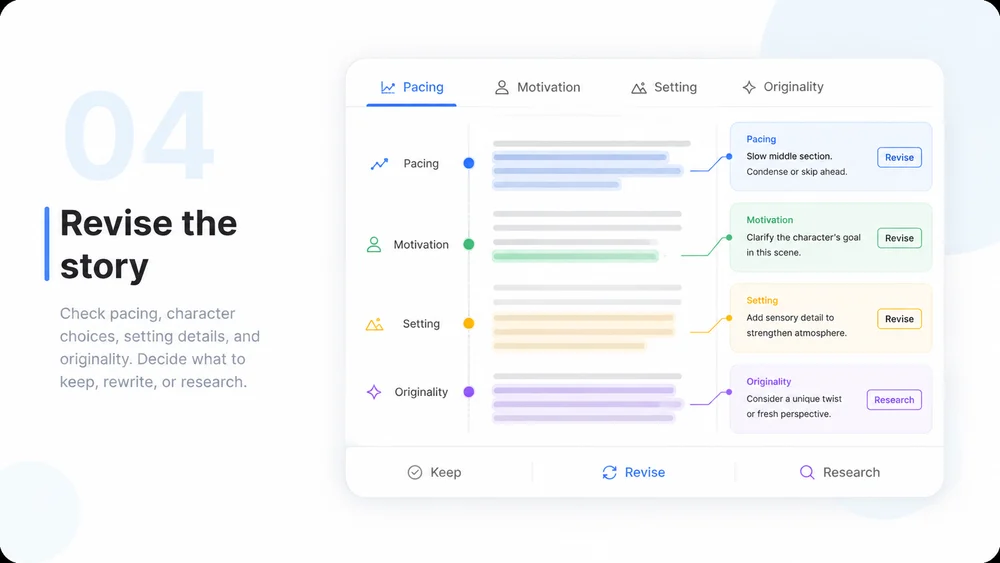
Check pacing, character choices, setting details, and originality. Decide what to keep, rewrite, or research.
Practical answers about inputs, scope, review, and where the work happens.